
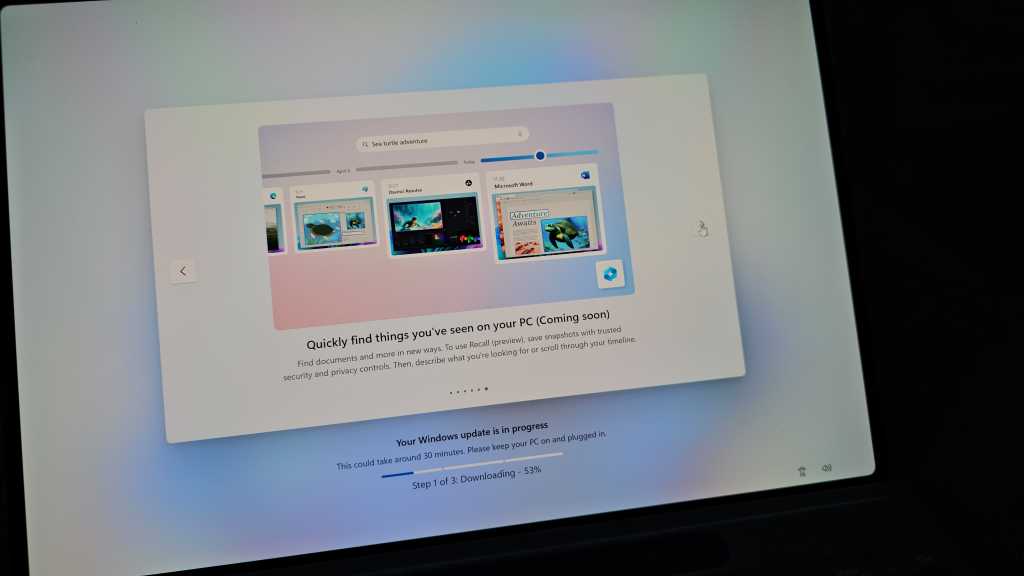
Dig into your Settings in Home windows 11, and also you’ll discover a checklist of your PC’s put in apps—together with a pair associated to core Home windows options like Cortana and Copilot. In the event you dislike something, you’ll be able to nuke the offending software program with a click on.
However regardless of a quick second of pleasure on the web, the identical isn’t true for Microsoft Recall, the upcoming AI-infused Home windows function that can seize screenshots of all the things you do in your PC. And in all chance, uninstalling Recall gained’t be a chance for some time after its launch (if ever).
It needs to be, although, given Microsoft’s makes an attempt to affiliate Home windows 11 with safety and privateness.
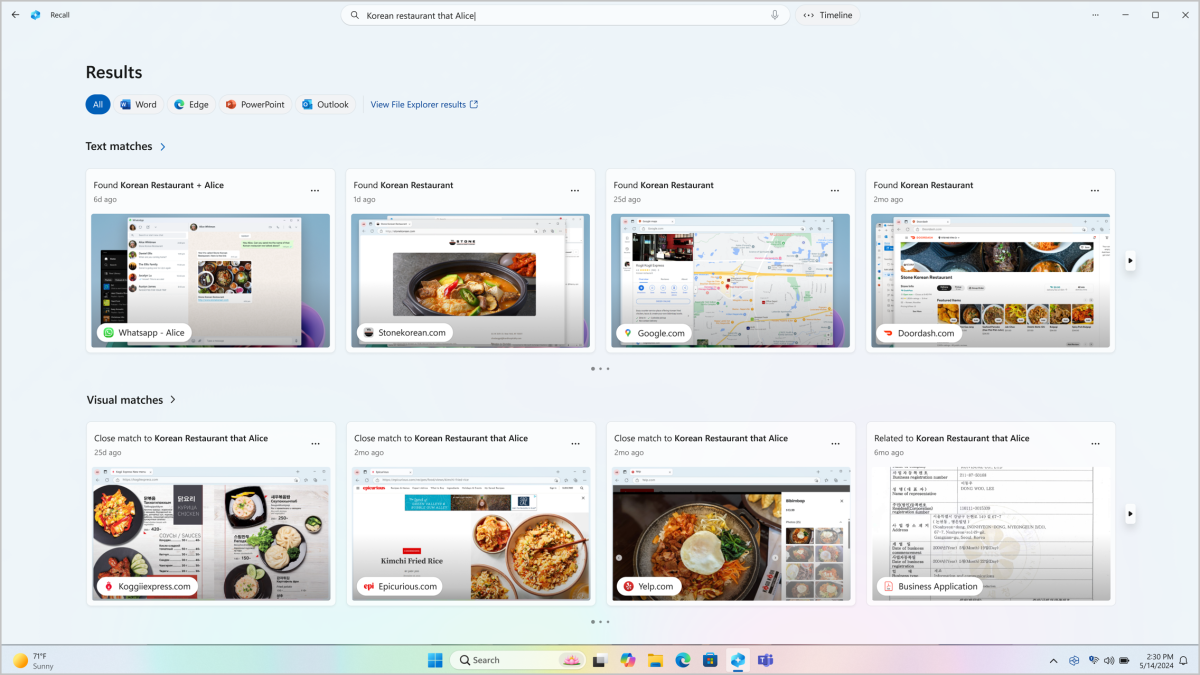
Microsoft Recall is a pointy double-edged sword. The AI-driven search function has the potential to dramatically reduce the burden of tracing your digital footprints—it as an alternative can sift by the screenshots it took of the websites you visited, the knowledge you researched, the information you labored on, and extra. All within the hope of discovering that one recipe for sourdough bread you forgot to bookmark, or which messaging app your partner used to ship over their flight data.
However the screenshots that Recall takes to be able to do this processing even have the potential to disclose excessive element about your life to others. It’s a possible gold mine for hackers and dangerous actors, and also can put people in abusive relationships at higher danger for hurt.
Microsoft listened to the preliminary outcry about privateness and safety considerations when Recall was first revealed again in Could—it revised its authentic launch plans, promising to go away Recall off by default (moderately than on) and to retool the model of encryption in order that the screenshots have been solely accessible when wanted for a search. The corporate additionally delayed wider launch of the function, retaining it to Home windows Insiders just for continued testing.
Microsoft
Microsoft
Microsoft
Nevertheless, when a preview model of Home windows 11 appeared to permit the choice to uninstall Recall, Microsoft squashed the ensuing buzz by saying it was an unintended bug. You may nonetheless disable Recall, however you’ll be able to’t wholesale jettison it out of your PC.
That’s disappointing, as a result of in the most straightforward phrases, a very safe PC is one which retains your knowledge out of undesirable arms. And if Microsoft opens up the potential for that info to get served to others, it must also permit absolutely closing off that chance. The specter of a PC breach is fixed in in the present day’s world—the quantity and scope of phishing assaults proceed to extend. Microsoft Recall is a potential legal responsibility, since options that aren’t eliminated can all the time be switched again on or in any other case exploited. The choice to uninstall Recall would eradicate a possible vulnerability at its root.
In equity, the road between future-forward expertise and safety is usually skinny. Tech corporations can’t water down their merchandise to the purpose of rendering them ineffective—however extra considerate approaches would permit the futurists to see their science-fiction desires come to life, whereas defending those that want it from nefarious intent. The flexibility to uninstall a function lets it exist as envisioned for many who need it.
However because it stands, the involved public’s greatest hope for Microsoft Recall is it will get the identical remedy as Cortana and Copilot, the place it’s pushed so exhausting on each Home windows consumer that nobody bothers with it. Ultimately, it’ll get put out to pasture, by no means to be seen once more—a tragic final result, the place neither the futurists nor the cautious actually bought what they needed.


